How to Choose a Communion Dress for Girls in 2026
The First Communion dress is not merely a garment. It is a symbol of purity, a marker of spiritual transition, and for many families, the most significant purchase they will make for their daughter until her wedding day.
Before Anything Else: Call Your Parish
Before you even think about browsing Pinterest or walking into a boutique, pick up the phone and call your parish office.
Catholic churches operate with considerable autonomy regarding First Communion attire. What passes inspection at one parish may be rejected at another located five miles away. There are stories about parents showing up on the big day only to be told the dress was "too fancy" or "too revealing"—and at that point, there's nothing you can do.
Most parishes care about a few key things: shoulder coverage (some insist on full sleeves, others allow cap sleeves or even sleeveless with a bolero), hemline (knee-length is usually the minimum, though traditional parishes often prefer mid-calf), neckline modesty, and whether a veil is required or optional. Color matters too—while white dominates everywhere, some parishes are fine with ivory or cream, while others are strict about pure white only.

What Catches Parents Off Guard
Gloves can be problematic. Many parishes don't allow them during Communion because children need to handle the host directly. If your daughter has her heart set on gloves, make sure they're the kind she can slip off quickly.
Long trains might look stunning in photos, but they create real logistical headaches during the procession. Kids trip. Lines get disrupted. More than one mom has reported wishing she'd gone simpler.
Over-the-top embellishments can also raise eyebrows. Some parishes explicitly ask families to avoid "bridal-style" ornamentation—they want the focus on the sacrament, not the outfit.
Get these guidelines in writing if you can, or at least take detailed notes during your phone call. It'll save you from a very expensive mistake.
Which Dress Style Works for Your Daughter
Not every dress style works for every body type. This seems obvious, but many parents pick a dress based on how it looks on a mannequin or in a catalog, without considering how it'll actually look on their daughter.
A-line is your safest bet if you're unsure. Fitted through the bodice, then gradually widening from waist to hem. Works on practically everyone. The vertical visual flow elongates the figure, hides any self-consciousness around the hip or midsection without adding bulk, and allows for easy movement. If your daughter tends to fidget or can't stay still, this is probably your best option.

Princess Ball Gowns and Empire Waist
Princess ball gowns—this is what most girls want. An estimated 60-70% of what stores carry. The appeal is obvious: that full, voluminous skirt triggers every fairy tale association imaginable. The twirl potential is off the charts. That said, the volume adds visual width to the lower body, which can overwhelm petite frames. And during crowded ceremonies, all that fabric requires serious spatial awareness. But if your daughter is slim to average build and has been dreaming of the princess look, this delivers.
Empire waist works particularly well for taller girls or those with longer torsos—the high waistline creates maximum vertical line from bust to hem. Very comfortable since there's no waist constriction. The downside? If the fit is off, it can look a bit maternity-dress-adjacent. There are also fewer options in this style.
Sheath and column styles exist but are rare for communion. Very modern, very minimalist. These work for contemporary, less traditional ceremonies where the parish is flexible. These styles are not very common, so this guide will not cover them in detail.

Fabrics: The Rundown
Tulle is everywhere, and for good reason. It's the workhorse of communion dresses. Lightweight, breathable, adds volume without making your daughter overheat. The catch is it snags easily—keep her away from anything with sharp edges on the big day, and don't expect to pass this dress down in perfect condition.
Satin photographs beautifully. That light reflectivity creates a luminous quality. But—and this is important—it wrinkles like crazy and shows perspiration marks. If your ceremony is outdoors in May, think twice. If it's in an air-conditioned church and you're willing to steam the dress right before, it's gorgeous.
More Fabric Options
For lace, the main thing to know is corded or guipure lace is trending hard right now, especially on bodices with beading or pearl details. It's heavier and more dimensional than delicate Chantilly lace. Both look beautiful; corded just feels more current.
Cotton and linen are relevant for outdoor summer ceremonies or parishes that emphasize simplicity. They breathe well, wrinkle easily (linen especially), and read more casual. Smocked cotton bodices are practical since they're adjustable for growing kids.
Organza holds shape, is more durable than tulle, and some kids find it stiff. It appears in sleeves and overlay panels. Organza is a neutral option—functional, but not particularly notable.
Research mode. Get parish requirements, learn about styles, set your budget. The 2026 collections are just releasing, selection is at its maximum, and some retailers offer early-bird pricing.
This is when you should pull the trigger if you can. Selection is still excellent, you can measure your daughter with reasonable accuracy, and there's plenty of buffer for alterations. Popular sizes (7-10) start running low toward the end of February.
The "it'll work but it's not ideal" zone. Standard ordering still works, but custom requires rush fees. Selection is noticeably thinner, and alteration appointments are getting competitive.
Emergency territory. A month or less out, you're dealing with limited sizes, limited styles, rush premiums on alterations, and elevated stress all around.
Getting the Size Right
This trips up a lot of parents, and more stores should be upfront about it: communion dress sizing doesn't follow standard children's clothing measurements. It's not like buying a size 8 at Target. Every manufacturer uses their own proprietary size chart, and a size 10 from one brand might fit completely differently than a size 10 from another.
You need actual measurements. Chest circumference at the fullest point, waist at the natural waistline, hip circumference (depending on the silhouette), hollow-to-hem length (from the base of the throat to where you want the dress to end), and shoulder width across the back.
Timing matters too. Measure four to six weeks before the ceremony—that's the sweet spot between accuracy and having enough buffer for alterations.
When measurements fall between sizes, order larger. If you're buying three or more months out, order one size up and plan for alterations. If your daughter is in an active growth phase, go bigger and confirm with the seller that alterations are feasible. Dresses with adjustable elements like corset backs or tie sashes give you more flexibility.
"For plus-size girls, A-line silhouettes generally outperform princess ball gowns. Empire waists create elongation. Avoid horizontal design elements at the widest body points."— A Note on Plus Sizes
What's Trending in 2026 (And What's Not)
Fashion forecasting for occasion wear works differently than regular clothing trends. Communion dresses evolve slowly—we're talking 3-5 year cycles, not seasonal shifts. So "2026 trends" really means "what's been gradually gaining momentum and will be widely available this year."
The biggest development is cape details. This mirrors what's happening in bridal and evening wear—small shoulder capes, larger back panels, various interpretations. It's the most notable silhouette innovation in communion dresses in a while.
Detachable skirt systems are also gaining ground. Full-length formal skirt for the ceremony, shorter version for the celebration afterward. Parents seem to love the practicality and cost efficiency. Though these may not be as widespread as trend articles suggest—this could be more of a regional phenomenon, or still an emerging trend.
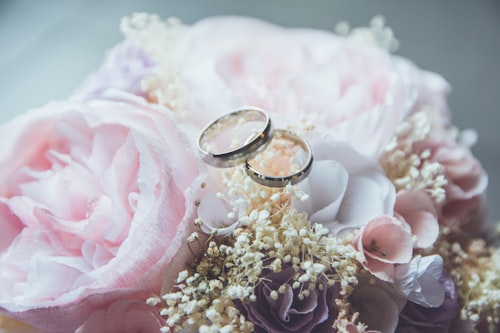 Corded embroidery with beading
 3D floral appliqués
 Pearl accents replacing rhinestones
Bodice and Skirt Details
On bodices, you're seeing more corded embroidery with integrated beading, illusion necklines (sheer fabric panels that create modern lines while maintaining coverage), and three-dimensional floral appliqués with organic, asymmetrical placement rather than rigid symmetry. Pearl accents are replacing the rhinestone-heavy looks of a few years ago.
For skirts, layered tulle with subtle metallic threading is having a moment. Some avant-garde designs feature asymmetrical hemlines—higher in front, lower in back—though these remain niche.
Color-wise, pure white still dominates, but ivory and cream are broadly accepted now at most parishes. There are even champagne undertones in embroidery and subtle blush tints in linings. Always confirm with your parish before going non-white.
The heavy crystal and rhinestone look is fading out, along with wedding-mimicking designs with long trains and cathedral veils, overly mature styling, and cheap-looking shiny synthetic fabrics. But trends in this space move slowly enough that there's no need to stress too much about being "current."
Accessories: Headwear
Accessories complete the look, but they shouldn't compete with the dress—or with the ceremony's meaning.
Veils remain popular, and you have options. A mantilla (circular or oval, worn over the head) suits traditional ceremonies and is common in Hispanic cultural contexts. Two-tier veils with front and back layers work for formal settings. Single-tier veils are versatile and modern. Blusher-style short front veils are rare for communion.
Many families skip the traditional veil entirely. Tiaras with attached veils remain the dominant choice in the current market—girls love the sparkle. Floral wreaths offer a softer, more bohemian aesthetic and are gaining popularity. Pearl or crystal-accented headbands provide understated elegance. Hair combs with small veils work well for short hair and don't overwhelm petite features.
Mantilla Style
Circular or oval, worn over the head. Suits traditional ceremonies and is common in Hispanic cultural contexts.
Tiara Style
Tiaras with attached veils remain the dominant choice in the current market—girls love the sparkle.
Floral Wreaths
Offer a softer, more bohemian aesthetic and are gaining popularity as an alternative to traditional veils.
Hair Combs
Hair combs with small veils work well for short hair and don't overwhelm petite features.
Footwear and Other Accessories
Whatever you choose, it needs to be comfortable. Your daughter will be on her feet for 60-90 minutes, and uncomfortable shoes will ruin her experience (and show in every photo).
White ballet flats work great. Mary Janes with a secure strap are classic. Older girls can handle a low block heel—nothing over 1.5 inches. The non-negotiable rule: break in the shoes before the ceremony. New shoes cause blisters, discomfort, and visible misery. Have her wear them around the house at least twice.
Skip the high heels, platforms, flip-flops, and any shoe that hasn't been worn before.
If the dress is sleeveless and the parish requires shoulder coverage, you'll need a bolero or jacket. Match the color and formality level of the dress. It can come off for the party afterward.
Gloves are optional. Keep them white, wrist or elbow length, and easily removable for Communion.
Jewelry should be minimal. A cross necklace or small pendant is appropriate. Pearl studs work. Avoid dangling earrings, stacked bracelets, or anything that makes noise.
A small white or ivory purse is practical for holding the prayer card, rosary, and tissues. Wrist strap or clutch style—shoulder bags look awkward with formal dresses.
The Money Part
Communion dress prices range wildly, and it's easy to overspend if you don't set boundaries before you start shopping.
At the lower end, under $60, you're looking at basic construction, limited detailing, and synthetic fabrics. Perfectly functional for what it is. Move up to the $60-150 range and you're in the sweet spot for most families—solid construction, decent detailing, quality that photographs well. This is where most families should focus their search.
Once you go above $150, you're getting into nicer territory: superior fabrics, intricate details, designer labels. The $300-500+ range is luxury territory—imported designs, hand-finished details, heirloom quality pieces meant to be passed down. Whether that's worth it depends entirely on your family's priorities and whether you have younger daughters or nieces who might wear it later.
The Complete Picture
The dress is just one piece. You'll also need to budget for the veil or headpiece (anywhere from $10 to $100 depending on what you choose), shoes ($20-100), other accessories ($15-120 or so), undergarments ($10-50), and potentially alterations (could be nothing, could be $100). All told, a complete ensemble realistically runs anywhere from about $100 on the economy end to $800+ if you're going premium on everything. Most families probably land somewhere in the $200-400 range when everything's added up, though this is a rough estimate.
Budget Guide by Category
| Item | Price Range | Notes |
|---|---|---|
| Budget Dress | Under $60 | Basic construction, limited detailing, synthetic fabrics |
| Mid-Range Dress | $60 - $150 | Sweet spot for most families—solid construction, decent detailing |
| Premium Dress | $150 - $300 | Superior fabrics, intricate details, designer labels |
| Luxury Dress | $300 - $500+ | Imported designs, hand-finished details, heirloom quality |
| Veil or Headpiece | $10 - $100 | Varies by style and embellishment |
| Shoes | $20 - $100 | Ballet flats, Mary Janes, or low block heels |
| Other Accessories | $15 - $120 | Gloves, jewelry, purse |
| Alterations | $0 - $100 | May not be needed if fit is good |

Saving Money Without Sacrificing Quality
Timing helps. Post-season clearance sales from June through August offer 40-60% discounts for the following year. January sales clear out previous inventory.
Consider alternatives. Flower girl dresses that meet communion requirements often cost 20-40% less than dresses specifically marketed for communion—they're essentially the same thing with different labels. Secondhand platforms, consignment stores, and local resale groups offer quality dresses at 50-70% below retail. Family heirloom dresses eliminate the cost entirely while adding sentimental value.
If budget is tight, prioritize the dress itself over accessories. A beautiful dress with simple accessories looks better than a mediocre dress with elaborate accessories.
A Quick Note on Cultural Traditions
Latin American celebrations often parallel weddings in scale—elaborate dresses, boys in military-style formal attire, extended family participation. Western European traditions tend to be more understated.
The Philippines ties First Communion to the Feast of the Immaculate Conception, and Switzerland does plain white robes for everyone. Talking to families from those backgrounds provides more accurate information given the regional variation. This guide cannot claim expertise on every cultural context.
If your family has strong cultural heritage, you may need to balance traditional expectations against local parish requirements. When these conflict, communicate with church authorities early.
Making the Final Decision
When you're weighing all these factors, some matter more than others—though reasonable people can disagree about the exact hierarchy.
Parish requirement compliance is non-negotiable. Physical comfort for the ceremony duration is up there too. And appropriate fit, obviously.
Your daughter's emotional response to the dress matters a lot. So does staying within budget, and how the dress photographs.
Trend alignment and accessory coordination? Meaningful, but you've got some flexibility there. And brand name, what other families are choosing, and maximum elaborateness—these factors rank at the bottom of the list. Results may vary based on individual circumstances.
Common Mistakes Parents Make
Prioritizing their own aesthetic preferences over their child's comfort. The dress might look stunning, but if your daughter is miserable, it'll show in photos and create a negative memory.
Choosing based on what other families seem to be doing. This leads to overspending, inappropriate styles, and losing sight of what makes sense for your own family.
Waiting too long because they can't decide. This always results in limited selection, increased stress, and forced compromises.
Ignoring parish requirements until after purchase. A rejected dress means financial loss and emergency replacement shopping.
Before You Buy
The short version: confirm everything with your parish before buying, measure your daughter properly (not just "she's usually a size 8"), make sure she can actually move and sit in the thing, break in the shoes, and don't leave alterations until the last week. Do a full dress rehearsal at home. Veil, shoes, the whole thing. This catches problems that would not have been anticipated otherwise.