🎀A Corner Scene
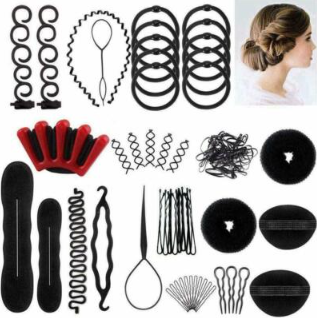
There's a stationery store downstairs from my apartment, and on the shelf next to the cash register, there's always a row of hair accessories hanging. Those sequined bows, strawberry clips, little crown headbands—the colors are so bright they're almost blinding. Every day after school, you can see little girls tugging at their mothers' hands, picking through them, insisting on this one, refusing that one, bargaining with the same intensity as at a vegetable market.
💫From A Few Yuan to Dozens
Hair accessories can be cheap—a few yuan for a pack of a dozen hair ties. But how expensive can they get? I looked it up, and some brands sell single silk scrunchies for eighty or ninety yuan. They claim it causes less friction on hair, doesn't squeeze the scalp, and doesn't dig in when you sleep with it on. I asked a friend who bought one, and she said it really is softer than regular hair ties, but nothing miraculous—mainly psychological comfort. It's the same principle as skincare products: a few yuan in production costs, but tell a good story and you can sell it for dozens of times more.
A few yuan in production costs, but tell a good story and you can sell it for dozens of times more—this is probably the eternal truth of consumer product marketing.
📜Twenty Thousand Years of Beauty
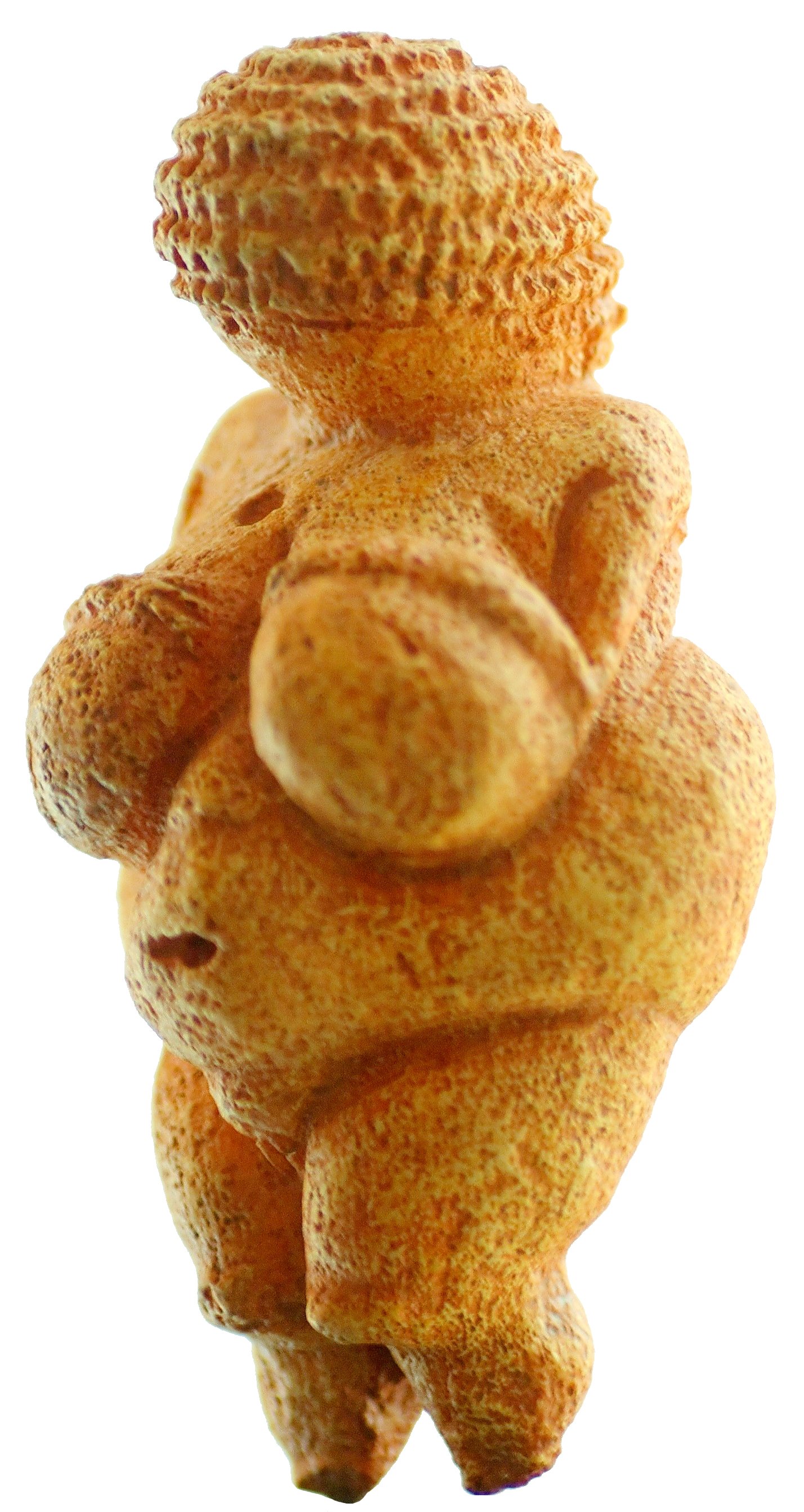
What's interesting is the history of hair accessories. A small figurine over twenty thousand years old was excavated in Austria, called the Venus of Willendorf. It's a palm-sized piece of limestone carved into the shape of a voluptuous woman. Archaeologists noticed that her head is carved with circular patterns—some say it's braided hair, others say it's some kind of hat, and still others think it's beaded decoration. We can't know what people were thinking twenty thousand years ago, but at least it shows that women were already doing something with their hair back then. This predates writing by more than ten thousand years.
Ancient Egyptians wore clay hair rings over their wigs as status symbols. Ancient Roman noblewomen had hollow hairpins filled with perfume, leaving a trail of fragrance as they walked. Chinese hairpins were crafted from jade and gold. Japanese ones are called kanzashi, carved with cranes, chrysanthemums, and butterflies. Some African tribes still use braiding styles to indicate whether a girl is married or not.

💡The Invention of 1989
The turning point for modern hair accessories was probably 1989, when a French designer came up with the claw clip. You know, that plastic clip with two rows of teeth that clamp together and open with a squeeze. This thing solved a practical problem: if a woman with long hair wanted to quickly put it up, she used to either tie it with a hair tie or pin it with a hairpin—both requiring two hands. The claw clip can be done with one hand, just clip it at the back of your head in three seconds. So it spread quickly, and to this day it's still one of the most common hair accessories in supermarkets.
🌍Yiwu and the World
The global hair accessories market is worth twenty to thirty billion dollars annually. Sounds scary, but spread across billions of women, that's only a few dozen yuan per person per year on average. Asia sells the most. Yiwu, China is the global hub for small commodities—hair clips, hair ties, and headbands from there are shipped out by the container load.
📈The Interest Curve of Girls
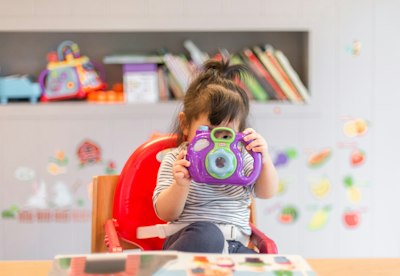
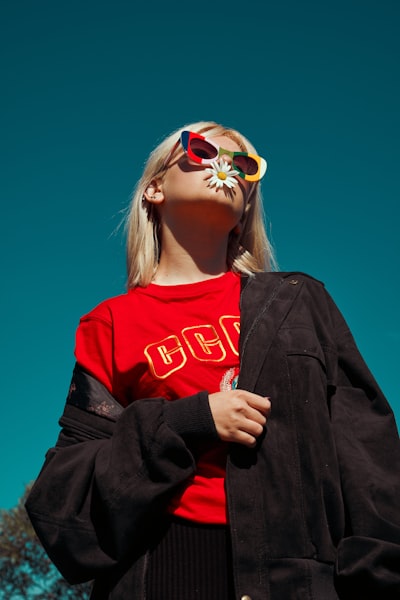
I've observed the interest curve of girls toward hair accessories. Kindergarten girls like big bows and sequins—the more exaggerated, the better. By upper elementary school, differentiation begins: some chase trendy styles, while others find them childish and switch to minimalist looks. After middle school, what matters is whether the hair accessories match their overall outfit. These things aren't necessities, but for many girls, clipping something onto their head before going out in the morning is as natural as brushing teeth and washing their face.

These things aren't necessities, but for many girls, clipping something onto their head before going out in the morning is as natural as brushing teeth and washing their face.