Do Babies Actually Need Shoes?
Babies don't actually need shoes before learning to walk. The American Academy of Pediatrics says going barefoot is better for foot development—the soles touching the ground stimulates nerve endings, toes learn to grip, and balance is developed. But baby shoes still sell well, largely for photos and gifts. Full-month celebrations, hundred-day photos, first birthday—little shoes are props. And then there's winter warmth—socks easily get kicked off, and soft-soled shoes that wrap the feet can keep them in place.
The Sizing Chaos
Sizing is a mess. The US starts at size 0, with foot length around 8.9 centimeters. Europe starts at size 16 or 17. China uses centimeters or millimeters. The same size number varies between brands—Stride Rite runs narrow, Robeez runs loose, Pediped falls in between. Online shoe shopping has high return rates, with sizing issues being the main reason. Amazon's baby shoe review sections are full of complaints about inaccurate sizing.
The method for measuring feet is to have the child stand on paper with their heel against a wall, then draw a line at the longest toe with a pen. Infants won't cooperate and stand still, so in practice it's quite a hassle. Many parents just go to physical stores to try shoes—Nordstrom staff will help with measurements.
| Age Range | Foot Length | US Size | EU Size |
|---|---|---|---|
| 0-3 months | 8-9 cm | 0-1 | 15-16 |
| 3-6 months | 9-10 cm | 1-2 | 16-17 |
| 6-12 months | 10-11 cm | 2-4 | 17-19 |
The same size number varies between brands—Stride Rite runs narrow, Robeez runs loose, Pediped falls in between. When in doubt, visit a physical store like Nordstrom where staff can help with measurements.
Soft Soles vs. Hard Soles
Soft-soled shoes and hard-soled shoes are two different things. Baby foot bones haven't hardened yet—twenty-two pieces of cartilage don't fully ossify until adulthood. Before learning to walk, soft soles are sufficient—toes need the sensation of gripping the ground to stimulate muscle development. Robeez was founded in 1994 in Vancouver. Founder Sandra Wilson couldn't find satisfactory soft-soled baby shoes at the time, so she made a pair herself. The brand was later acquired by Stride Rite and now belongs to the Wolverine World Wide group.
Hard-soled walking shoes should wait until the child can take ten to fifteen independent steps. Soles that are too hard or thick affect the foot's ability to flex; too thin doesn't provide enough protection. Stride Rite's Soft Motion series is specifically designed for the walking stage—the soles have elasticity but aren't soft and floppy.
Materials Matter
In terms of materials, leather is breathable but expensive—thirty to sixty dollars a pair. Faux leather is cheap but doesn't breathe well. Canvas is breathable but not dirt-resistant. White leather shoes look pretty but turn gray after one outing—darker colors are more durable.
Leather
Breathable but pricey at $30-60 per pair. Quality option for daily wear.
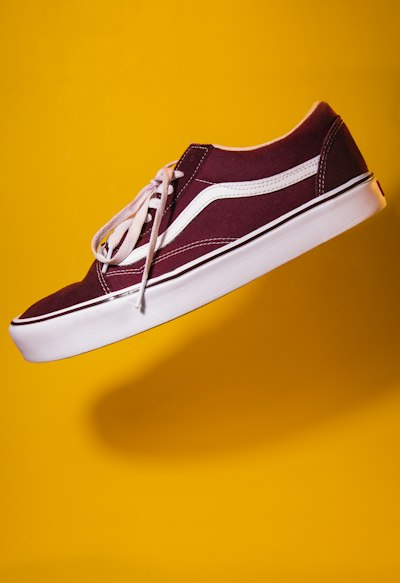
Canvas
Breathable but stains easily. Good for summer but requires frequent cleaning.
Faux Leather
Affordable but doesn't breathe well. Budget-friendly for occasional use.
How Fast Do Baby Feet Grow?
Kids' feet grow fast. Going through three or four sizes in the first year is normal. Zero to three months, foot length is eight to nine centimeters; three to six months, nine to ten centimeters; six to twelve months, ten to eleven centimeters. Many parents buy a size up hoping to get a few more months of wear, but loose shoes actually affect walking posture. The standard for proper fit is being able to fit one adult finger behind the heel—any bigger is too big.
The standard for proper fit is being able to fit one adult finger behind the heel—any bigger is too big. Loose shoes actually affect walking posture, so resist the urge to buy too large.
Brand Tiers
Brands fall into several tiers. Carter's is cheap, ten to twenty dollars, with decorative designs suitable for photos. Stride Rite is mid-range, with a background in foot medical research. Clarks is a classic British brand founded in 1825, with a children's line called Clarks Kids, priced at forty to seventy dollars. Freshly Picked specializes in handmade soft soles—founder Susan Petersen started sewing at home in 2009, later appeared on Shark Tank and got investment. One pair sells for fifty to sixty dollars.
Where They're Made
Production is concentrated in China and Vietnam. Yiwu and Dongguan are the main production centers, exporting globally. Some brands emphasize Italian or Spanish manufacturing, with prices multiplied several times over, though the difference in craftsmanship may not be visible to the naked eye.
The Secondhand Market
The secondhand market is very active. eBay, Poshmark, Facebook Marketplace all have them. Baby shoes are worn for such a short time that many are ninety percent new. The American College of Foot and Ankle Surgeons doesn't recommend wearing secondhand shoes, reasoning that shoes develop wear patterns and deformations based on the wearer's foot shape. But soft-soled baby shoes have limited deformation, and many parents don't mind.
Safety Considerations
Regarding safety, the 2008 US Consumer Product Safety Improvement Act set limits on lead content and phthalate content in children's products. Brand-name shoes from legitimate channels basically meet standards; cheap items of unknown origin online may have issues. Small decorative items on shoes that aren't securely attached can fall off—dangerous if a baby swallows them. When buying, give the sequins and bows a hard tug to check if they're secure.
Small decorations that aren't securely attached can fall off and become choking hazards. When buying, give the sequins and bows a hard tug to check if they're secure.
Seasonal Factors
Seasons affect purchasing. In winter, northern regions buy fleece-lined boots—UGG has infant styles at around seventy dollars. In summer, sandals and breathable mesh shoes sell well. For sandals, pay attention to the toe area—open-toe styles make it easy to stub toes; closed-toe designs are safer.
A Six-Word Story
Hemingway wrote a six-word story: "For sale: baby shoes, never worn." Supposedly it was from a bar bet that he could tell a complete story in six words. Whether this story is true or not is debatable—researchers have found similar advertising copy appeared before Hemingway. But regardless of authenticity, these six words are genuinely poignant. Baby shoes—bought with expectation, but when they can't be worn, that's a different matter entirely.
For sale: baby shoes, never worn.
Attributed to Ernest Hemingway — A complete story in just six words. Baby shoes—bought with expectation, but when they can't be worn, that's a different matter entirely.
The Cheap vs. Expensive Debate
A common debate on mom forums is whether you should buy expensive baby shoes. One camp says feet grow fast, they won't be worn long, so buy cheap ones and replace frequently. The other camp says it's a critical developmental period, shoe quality matters, better to buy fewer good ones. There's no standard answer. The needs for daily wear going out versus occasional photo sessions are different.
Team Budget
Feet grow fast, they won't be worn long. Buy cheap ones and replace frequently. Save money for things that last longer.
Team Quality
It's a critical developmental period. Shoe quality matters. Better to buy fewer good pairs than many cheap ones.
There's no standard answer. The needs for daily wear going out versus occasional photo sessions are entirely different. Consider your actual use case when making the decision.