What Fabric Works Best for Baptism Dresses

What Fabric Works Best for Baptism Dresses

Baptism is a sacred ceremony in Christian tradition that welcomes new life into the community of faith. The solemnity and beauty of this moment is often embodied in the white dress worn by the infant. However, while pursuing aesthetics, the choice of fabric directly determines the baby's comfort and safety during the ceremony—this matters far more than whether the style looks good.

Why Fabric Choice Matters So Much

Newborn skin is much thinner than adult skin, and the barrier function hasn't fully developed yet—it's particularly delicate. Rough fibers can cause redness after just a few rubs, and a little stuffiness can lead to heat rash. What's more troublesome is that dyes, bleaches, and other chemicals in fabrics that adult skin can handle just fine are too much for babies.

Baptism ceremonies typically last from 30 minutes to several hours, during which most of the baby's skin is in direct contact with the dress. Therefore, breathability and softness must be the top priorities.

Fabrics You Must Avoid

I want to address this section first because almost all inexpensive baptism dresses on the market fall into these traps.

Baby clothing shopping

Choose fabrics carefully when shopping

Last year, I accompanied a friend to browse a baby goods store. It was a rainy day, and we had originally gone to buy bottles but stopped by the dress section to take a look. I casually flipped through a few baptism dresses priced around two to three hundred yuan, and found that the main material was almost always polyester. A young sales associate wearing glasses even said, "This one is easy to care for, no ironing needed," but I didn't respond. Polyester is essentially plastic fiber. Imagine what it feels like to wear a plastic sheet in the middle of summer. It doesn't breathe or absorb moisture—sweat gets trapped on the skin's surface and can't escape. Adults find it uncomfortable, let alone babies with such thin skin. Plus, polyester generates a lot of static electricity, crackling and attracting dust and lint.

If your budget is really limited, you can choose styles with polyester on the outside and pure cotton lining. But rather than buying a dress that looks glamorous on the outside but feels uncomfortable inside, it's better to buy a simpler pure cotton style. The ceremony only lasts an hour or two—the baby's comfort is what matters most, and honestly, you can't really tell the fabric difference in photos anyway.

Avoid coarse wool too—the fibers are too rough and will irritate the skin. Also stay away from fabrics labeled "wrinkle-free/easy-care/stain-resistant." I looked it up later and found that they're usually treated with formaldehyde resin. Babies have highly permeable skin, so it's better to skip these.

Rather than buying a dress that looks glamorous on the outside but feels uncomfortable inside, it's better to buy a simpler pure cotton style. The ceremony only lasts an hour or two—the baby's comfort is what matters most.

Cotton Batiste: What I Most Want to Discuss in Detail

Cotton is the most classic choice for baptism dresses, but cotton comes in many varieties. My personal top recommendation is Cotton Batiste.
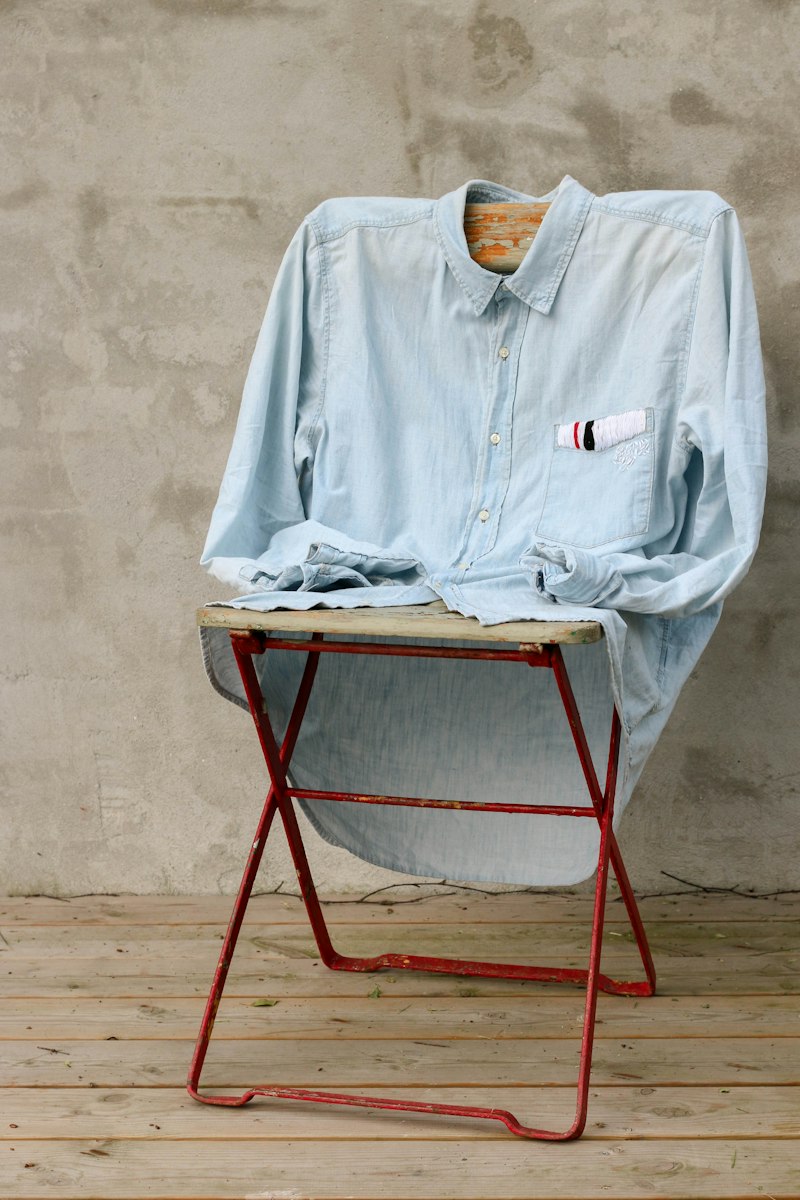
Soft cotton fabric texture

The gentle touch of cotton batiste

My first encounter with this fabric was when I was helping my best friend choose a baptism dress. At the time, we had browsed online for a while, and she originally wanted to buy a satin one because she thought it looked more upscale. I said, "Don't rush—go to a physical store and feel it first." That day at the store, we were both amazed by a cotton batiste dress—the hand feel is hard to describe: lightweight, silky smooth, but not the cool, slippery kind of smoothness like silk. It has a kind of warm softness. The most wonderful thing is its subtle translucency—it looks especially beautiful in sunlight, but not overly sheer.

Later, I specifically researched this fabric. Cotton batiste is a plain-weave fine cotton cloth. Because it's woven so finely and densely, the surface is extremely smooth, with no rough fiber ends to irritate the baby's skin.

I should also be clear about its drawbacks: it wrinkles very easily. My friend's baptism dress—she ironed it and hung it up the night before the ceremony, and the next morning when she took it down, there were already creases at the hem. She spent another twenty minutes re-ironing it and nearly arrived late. So if you choose cotton batiste, either wake up early on the ceremony day to iron it, or just accept its "naturally wrinkled" casual beauty. Also, because it's fairly sheer, it's best to choose styles with lining, or have the baby wear a white undershirt underneath.

One more thing I learned later: cotton batiste comes in regular and mercerized versions. The mercerized version costs a bit more than regular, but the texture is indeed better—more lustrous and has better body.

If you think cotton batiste is too thin and sheer, you can look at Swiss cotton or poplin. Swiss cotton has fine dobby dots on the surface, making it suitable for embroidery. Poplin is more substantial and can support more embellishments without looking limp.
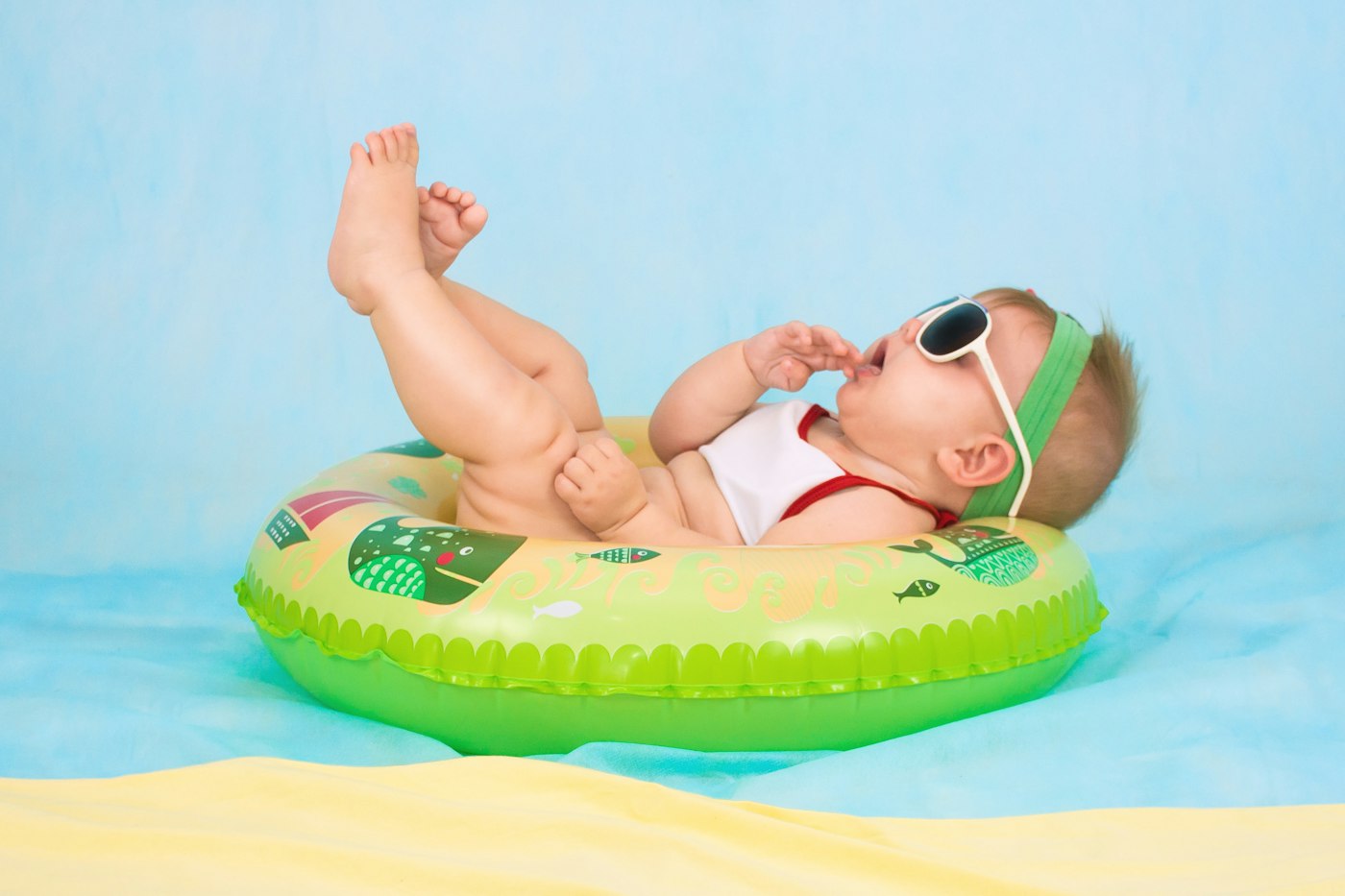
Baby in white christening gown

Classic white christening elegance

Delicate lace detail

Fine lace detailing on baptism wear

Silk and Linen

Silk is the most luxurious choice—that's indisputable. The hand feel and luster are something cotton simply can't match, and it's said to be especially friendly to sensitive skin. But I haven't had much personal experience with it, so I won't go into detail. Mainly it's expensive, and it's troublesome to care for—water leaves marks. Regular families probably won't use it.

Luxurious silk fabric

The unmistakable sheen of silk

The most common type seen in baptism dresses is Silk Shantung, which has a unique texture on the surface—it's not the very shiny smooth silk, but more understated. The traditional baptism gown of the British Royal Family is this type of silk paired with handmade lace, with a single gown worn across several generations.

I've used linen even less. I've heard it has excellent breathability and becomes softer with each wash, making it suitable for heirloom-quality dresses. Nowadays there are also cotton-linen blends, which may be easier to care for.

About Satin—A Common Misconception

Many people think "satin = upscale," but satin is actually just a weave, which is a completely different concept from the fabric itself.

The characteristic of satin weave is that there are many floating threads on the surface, so it looks especially shiny and smooth. But this "shine" can be from silk satin (genuinely upscale), cotton satin (good value), or polyester satin (cheap but not breathable). Most affordable wedding dresses and formal gowns on the market use polyester satin—the sheen is high, and it does photograph well, but press it against your face and you'll know it feels stuffy.

So don't get too excited when you see the word "satin"—check the composition label first. If it's silk satin or cotton satin, that's fine; if it's polyester satin, make sure the lining is pure cotton.

White fabric rolls

Natural cotton options

Soft textile close-up

Soft and breathable textiles

Elegant white linen

Elegant fabric draping

Organza and Lace: Decorative Layer Choices

Organza is often used as an overlay on baptism dresses—that dreamy, ethereal sheer layer that photographs beautifully. But it should absolutely never be worn directly against the skin. The production process of organza requires acid treatment to increase stiffness, giving it a relatively stiff texture that may irritate baby's skin. When choosing such styles, there must be a soft lining. Personally, I think in summer you can skip this layer to reduce stuffiness.

Intricate lace pattern

Beautiful lace craftsmanship

Lace is the most common decorative element on baptism dresses. I most recommend cotton lace and Broderie Anglaise—100% cotton means it's skin-safe and machine washable. French Chantilly lace is very beautiful—Kate Middleton's wedding dress used it—but many on the market now are polyester or nylon imitations with a stiff texture. Be sure to confirm the material before buying.

Seasonal Considerations

For summer, choose lightweight and breathable options—cotton batiste, fine linen, and silk all work. Style-wise, short sleeves and shorter lengths are more practical. For winter, you can choose thicker poplin or double-layer cotton, long-sleeve styles paired with a pure cotton cardigan, but don't add synthetic fiber layers just for warmth.

Preservation for Future Generations

If you want to pass it down to the next generation, silk, high-count cotton, and linen all store well. After wearing, it's best to hand wash and air dry in the shade. Then wrap it in acid-free paper—this is something my mother-in-law taught me. She said plastic bags don't breathe and cause yellowing. Just take it out to air every few years.

Preserved white fabric

Proper care ensures your baptism dress becomes a cherished heirloom

The baptism ceremony marks a precious beginning. May every choice you make—from fabric to finish—bring comfort to your little one and become a treasured memory for generations to come.

滚动至顶部